Rainbow Days: Adding Retro Vibrancy to Your Projects
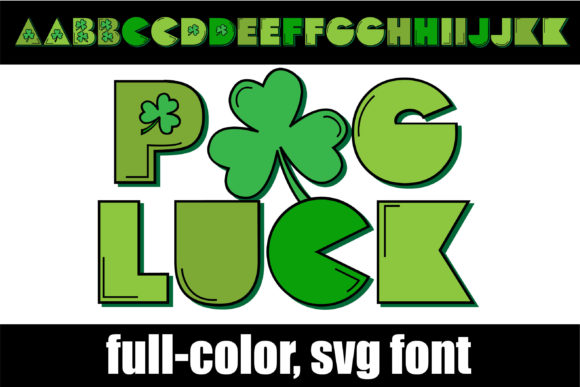
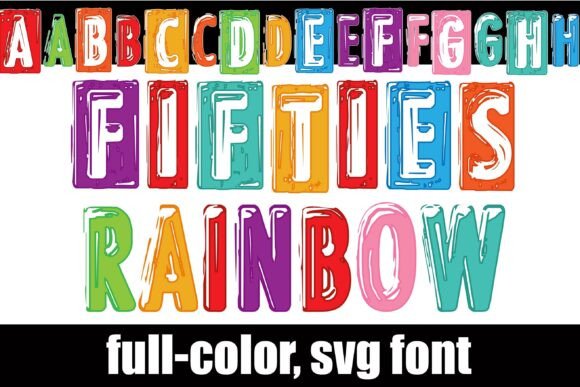
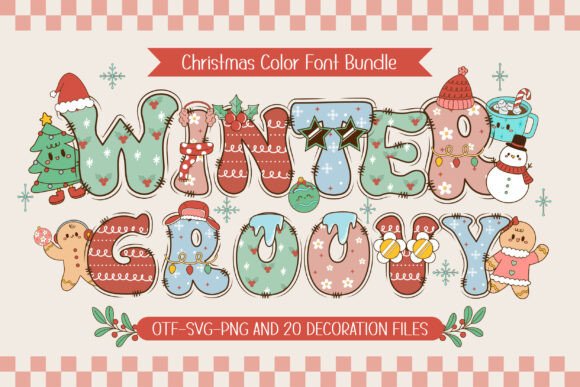
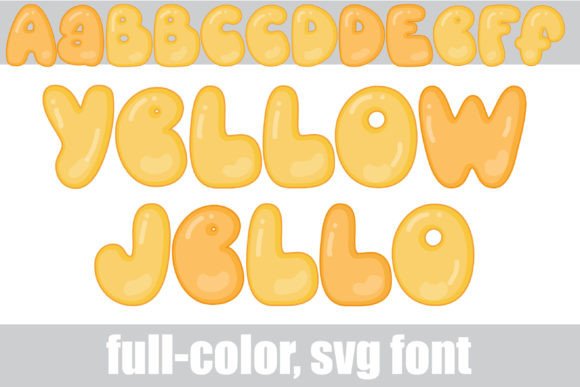
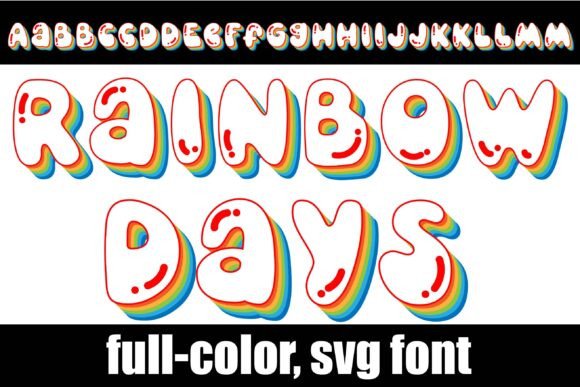
There's a certain nostalgia attached to the bold, cheerful aesthetics of the past. Rainbow Days is a premium font that captures this feeling perfectly. It's not just a typeface; it's a visual statement. At its core, it's a retro-inspired display font, but what truly sets it apart is the integrated, full-color 3D rainbow effect behind each character. This isn't a gradient you apply later; it's a baked-in feature of the OpenType SVG font file itself.
For designers and creators, this means immediate impact. You install Rainbow Days like any other .otf font—on a Mac, you'd use FontBook, and on Windows, the Control Panel or a font manager. The magic happens in compatible software. While it will appear as a solid black font in non-supporting programs, applications like Adobe Illustrator, Photoshop, Inkscape, and QuarkXPress will render it in its full, vibrant color. This makes it a powerful design asset for anyone looking to inject personality without complex layering or effects.
Where This Creative Font Truly Shines
Rainbow Days isn't your typical workhorse serif font or clean sans serif font for body copy. Its strength lies in grabbing attention. Think of it as the star of a headline, the centerpiece of a logo, or the festive touch on an invitation. Its retro style and inherent color make it ideal for projects that need a burst of energy and nostalgia.
Consider its use in logo design for a children's brand, a retro-themed café, or a music festival. It instantly communicates fun and approachability. In packaging design, it can make a product pop off the shelf, especially for items targeting a playful or youthful audience. For social media graphics, it's a game-changer. A quote card or announcement using Rainbow Days will stop the scroll, its color and style conveying emotion before the words are even read.
It also finds a natural home in editorial design for magazine feature titles, in web design for hero text on landing pages promoting events or sales, and in personal projects like party invitations, scrapbooking, and custom apparel. The key is to use it strategically for impact, not overuse it. Pairing it with a simple, neutral font pairing—like a clean sans-serif for body text—creates a balanced and professional brand identity.
Practical Considerations for Using a Color Font
Adopting a creative font like Rainbow Days requires a bit of practical foresight. First, always check your software's compatibility with SVG color fonts. The vibrant effect only works in supported environments. Second, think about scalability. Because it's a vector-based SVG, Rainbow Days can be scaled to any size without pixelation, making it versatile for both small print and large-format displays.
Readability is paramount. As a display font, it's best suited for short bursts of text—titles, logos, slogans—not for long paragraphs. Its visual weight is high, so ensure there's enough contrast with the background. The colorful nature also means it can clash with busy patterns or competing color palettes. Test it on your specific project background before committing.
When evaluating if Rainbow Days fits your project, ask yourself: Does the retro, playful personality align with my message? Is the target audience likely to respond to this aesthetic? For branding, consistency is key. If you use it for a logo, you'll need to ensure it works across all your touchpoints, from business cards to website headers, and that you have the appropriate commercial font license for your use case. Always review the included styles and character set to confirm it has the glyphs you need, like specific punctuation or multilingual support.
Ultimately, Rainbow Days is more than a modern typography trend; it's a tool for adding immediate, joyful character. Used thoughtfully, it can elevate a design from mundane to memorable, connecting with an audience on an emotional level through color and nostalgia. It’s a fantastic addition to any designer's toolkit for projects that demand to be seen and felt.