Confetti Pops: A Creative Font for Bold Branding
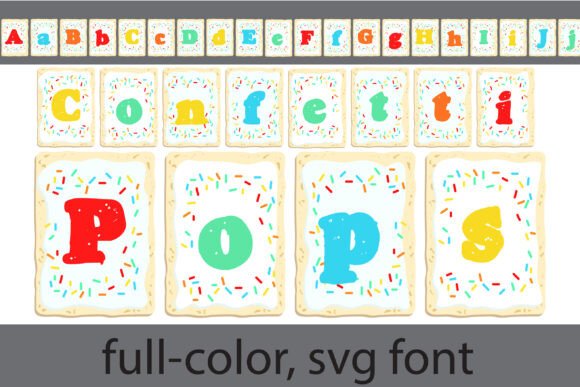
When a project needs an immediate injection of joy and personality, a standard sans serif font often falls short. Enter Confetti Pops, a premium font that redefines what a display font can do. This isn't just another colorful typeface; it's a full-color SVG font where each character is a vibrant, detailed illustration of a toaster pastry, complete with a rainbow of colors and festive sprinkles. The design captures a playful, nostalgic energy that feels both familiar and fresh, making it a standout design asset for creators who want to make their work pop.
Where Personality Takes Center Stage
The true power of Confetti Pops lies in its ability to transform mundane text into a visual celebration. Its inherent style makes it a natural fit for projects where fun and approachability are key. Think beyond the obvious for a moment. While it's perfect for children's party invitations or bakery logos, its modern typography approach allows it to elevate other areas too.
For brand identity, this creative font can define a brand's voice. A small business selling artisanal jams or a local event planner could use Confetti Pops in their logo design to instantly communicate warmth and creativity. In packaging design, it can make a product leap off the shelf, promising a delightful experience inside. For social media graphics, it stops the scroll—its unique, textured appearance is far more engaging than a flat, digital-looking typeface.
Don't overlook its potential in editorial design and web design either. Used sparingly as a headline font on a landing page or for chapter titles in a digital magazine, it adds a memorable burst of energy. The key is context. It thrives in environments that celebrate creativity, individuality, and a bit of whimsy.
Practical Guidance for Using This Creative Font
Adopting a full-color SVG font like Confetti Pops requires a bit of technical awareness. First, ensure your software supports OpenType color fonts. Programs like Adobe Illustrator, Photoshop, Silhouette Studio, and Quark handle it seamlessly. In others, the font may render in solid black, so always test it by typing directly onto your canvas.
When evaluating project fit, consider readability. As a display font, Confetti Pops is designed for headlines, logos, and short bursts of text, not lengthy paragraphs. Its intricate detail can become muddled at small sizes. For body copy, pair it with a clean, legible serif font or sans serif font. A simple geometric sans serif, for example, provides a calm counterbalance that lets the main headline shine without visual competition.
Explore the included styles and alternate characters. The alt case of additional colors accessible via your system's character map or glyph panel is a fantastic feature. It allows you to mix and match colors within a word, creating a more dynamic, custom look. This flexibility is a hallmark of a well-designed commercial font.
Making the Most of Your Investment
Before you integrate Confetti Pops into a major project, take time to test it thoroughly. Create mockups for your intended application—a social media post, a product label, a website header. Does it maintain its charm and clarity at the required size? Does it align with the overall aesthetic you're building?
Understand the licensing. For designers and small business owners, confirming the commercial font license is crucial. Most premium licenses cover a wide range of uses, from digital ads to printed merchandise, but it's always your responsibility to check. This font is an investment in your toolkit, and using it correctly protects both you and the font creator.
Ultimately, Confetti Pops is more than a set of letters; it's a mood. It's the confetti cannon at the party, the unexpected splash of color on a gray day. By using it thoughtfully and strategically, you can leverage its unique personality to create designs that are not only seen but felt, fostering stronger audience engagement and building a more vibrant, recognizable brand. It’s a powerful reminder that the right typeface doesn’t just convey a message—it amplifies it.